
Beyond Ballfields
by Mike Kuhn, Pennsylvania Interscholastic Cycling League Director
Why Trails Are Essential Infrastructure for Youth Development
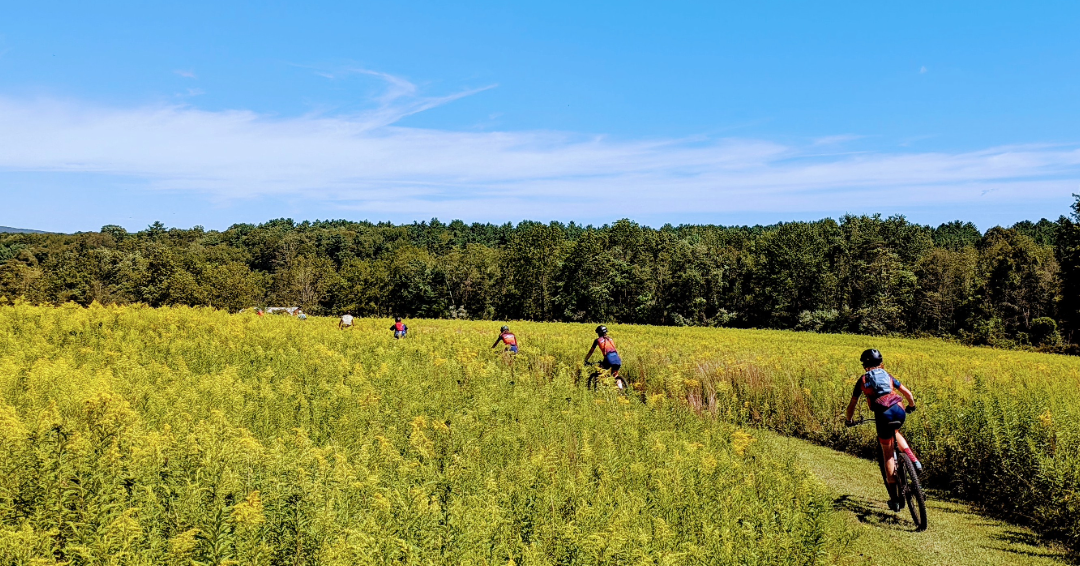
PICL riders at West End Regional Park during the 2025 Adventure Opener.
Across Pennsylvania, countless young people grow up playing sports on fields and courts that were intentionally built, maintained, and funded by their local municipalities, youth- sports organizations, and school districts. These spaces are essential to youth development, physical health, and community life, so much so that NRPA and planning best practices set metrics on the number of fields per capita in a community. Beyond ballfields, there is another type of recreational infrastructure that can deliver the same benefits—and more—likely at a fraction of the cost and to a wider audience: Natural Surface Trails (NST).
Communities in Pennsylvania and beyond are discovering that trails are a powerful tool for community development and quality of life. They provide access to year-round physical activity for a wide age range, build lifelong skills, support mental well-being, and connect people to nature and to one another. Yet natural-surface trail development is rarely prioritized in the same way as fields, courts, or playgrounds. Rarely are they included in recreation master plans. It’s time for that to change.
We Can't Build a Sport Without a Place to Play
Just as a soccer team needs a pitch or a basketball team needs a court, young trail users need safe, accessible, and welcoming places to run, hike, ride, and explore. Trails are not an optional extra—they are the playing field for a wide and growing segment of youth recreation. Without trails, there is no entry point for programs like interscholastic mountain biking, outdoor education, or trail-based adventure clubs. Infrastructure is destiny: we can't grow a movement, a sport, or a habit without the physical space that makes it possible. Trails and related infrastructure like bike paths, skills parks and pump tracks create those critical spaces for the activities that more Pennsylvania youth are seeking.
Trails Build the Same Core Skills as Traditional Sports
Youth sports are celebrated for developing teamwork, discipline, resilience, and confidence. Trail-based activities like mountain biking, running, and hiking deliver those same benefits. But unlike many traditional sports, trail-based activities create space for self-paced challenges, which many youth find appealing. Not everyone can (or wants to) play competitive sports, but everyone can find joy, achievement, and belonging on trails. Through interscholastic mountain biking, youth conservation corps, trail stewardship days, and informal meet-ups, trails foster both independence and teamwork. Whether it’s a group of kids building singletrack behind their school, a team ride on a Saturday morning, or an individual hiking to a vista on a quiet afternoon, trail-based recreation develops physical strength and supports mental health in ways that many traditional sports cannot.
Lower Barriers, Greater Equity
Trail-based recreation is naturally inclusive. The culture around trails welcomes participants of all abilities, backgrounds, and activities. Cross-country teams use trails for practices and local equestrian groups may use local trails to teach riding techniques. Through programs like the Pennsylvania Interscholastic Cycling League (PICL), thousands of students—many of them first-generation athletes—are finding not just a sport, but a community. The league’s emphasis on equity—there are no tryouts and no one sits on the bench—is fueling growth. PICL teams now exist in more than 100 school districts and communities across the Commonwealth, including urban, suburban, and rural school districts.
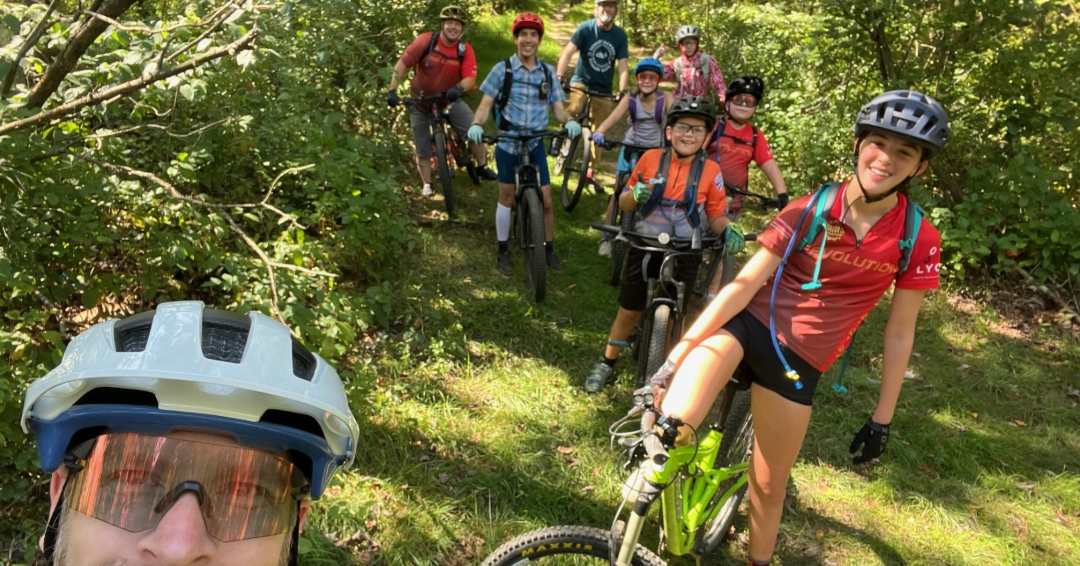
PICL team, Delco Revolution, visits Lackawanna State Park during the 2025 Adventure Opener.
In addition to teens on bikes, a trail system can simultaneously serve families spanning multiple generations from young parents with strollers, to dog walkers, to older Pennsylvanians and everything in between.
Financially Smart, Environmentally Sustainable
It’s no secret that building and maintaining athletic fields is expensive. A single natural turf field can cost $400,000 and thousands more per year to maintain. Artificial turf fields cost significantly more. By contrast, professionally designed and built NSTs can cost approximately $60,000 per mile. Using readily available volunteer labor can cut the cost considerably and still yield high-quality trails.
Trails don’t require watering, mowing, fertilizers, or lighting. With the right design and stewardship, they will last for decades with modest upkeep. And unlike a baseball diamond that serves a narrow range of ages, uses, and seasonal activity, trails deliver year-round, multi-generational benefits. That dramatically increases the return on investment compared to single-sport playing fields.
What’s more, trail projects often qualify for outside funding: state and federal recreation grants, conservation funds, and public-private partnerships. This reduces the burden on municipal budgets while expanding local recreation assets for every member of the community.
Just as many planning standards recommend a certain number of fields or courts per 1,000 residents, it's time to implement best practices for developing natural surface trails and cycling amenities per capita. Imagine if every community had not just fields, but a safely connected system of trails, skills parks, safe routes to school, pump tracks—including paved pump tracks that invite a broader range of wheeled recreation. These facilities extend seasonal access, broaden user appeal, build transportation alternatives, and create new social and physical entry points for youth.
More Than Recreation: Trails Grow Stewardship and Purpose
Trails are not just places to play. They are places to grow. Youth who use and help maintain trails often develop a deep sense of stewardship. Programs that integrate trail use with conservation, workforce development, and education—such as Student Conservation Association crews, DCNR’s Outdoor Corps, or NICA’s Teen Trail Corps—help build lifelong habits of civic engagement and environmental awareness and spark career considerations. But it isn’t just career development; PICL’s student-athletes and coaches have contributed over 50,000 hours of trail stewardship since 2019, learning the value of community service in the process.
We can't build a love for the outdoors or a culture of conservation without giving young people the ability to immerse themselves in it. Trails carry us through landscapes we learn to value. They are permission to explore—to wander, wonder, and connect on our own terms. This freedom fosters a deeper relationship with the land and a stronger commitment to protecting it.
Today’s young trail users will go on to careers in land management, outdoor education, health and wellness, and other sectors building a robust recreation economy in PA. Or maybe they’ll pursue a different career path—trails are an entry point not only into the outdoors, but into purpose.
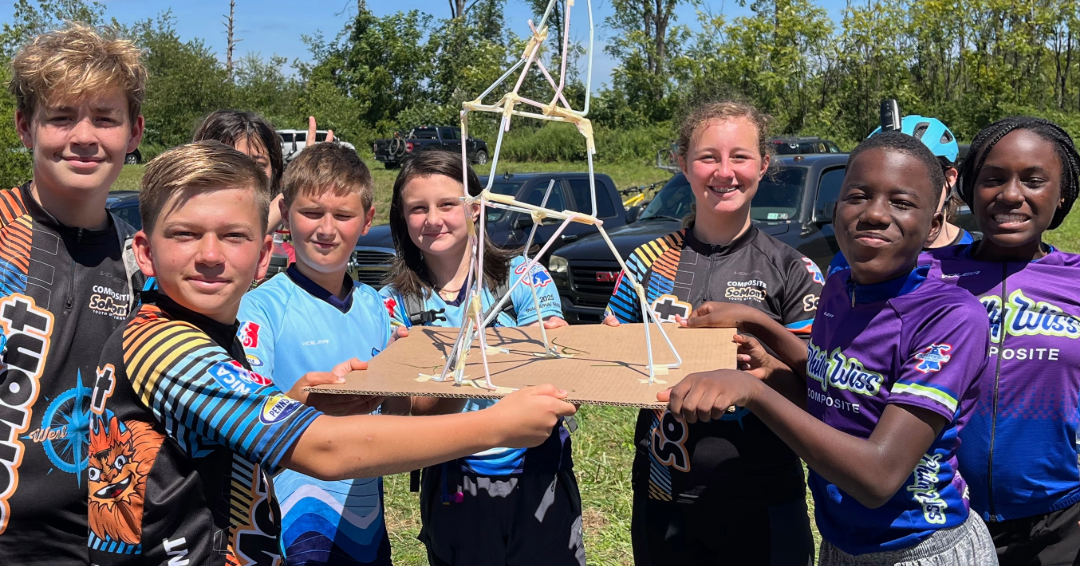
After riding at Blue Marsh, teams compete in a building challenge during the 2025 Adventure Opener.
It’s Time to Elevate Trails in Recreation Planning
Fields, pitches, and courts have an important place, but, trails deserve to be a foundational part of every park and recreation plan, every school-grounds design, and every youth-development strategy. They are one of the most cost-effective, inclusive, and enduring investments we can make in the health and well-being of Pennsylvania’s youth. And their benefits ripple outward across generations and communities.
Let’s plan for trails the way we plan for fields. Let’s fund them, build them, and champion them as essential elements of every community's recreation infrastructure.
Our kids and our fellow Pennsylvanians deserve no less.
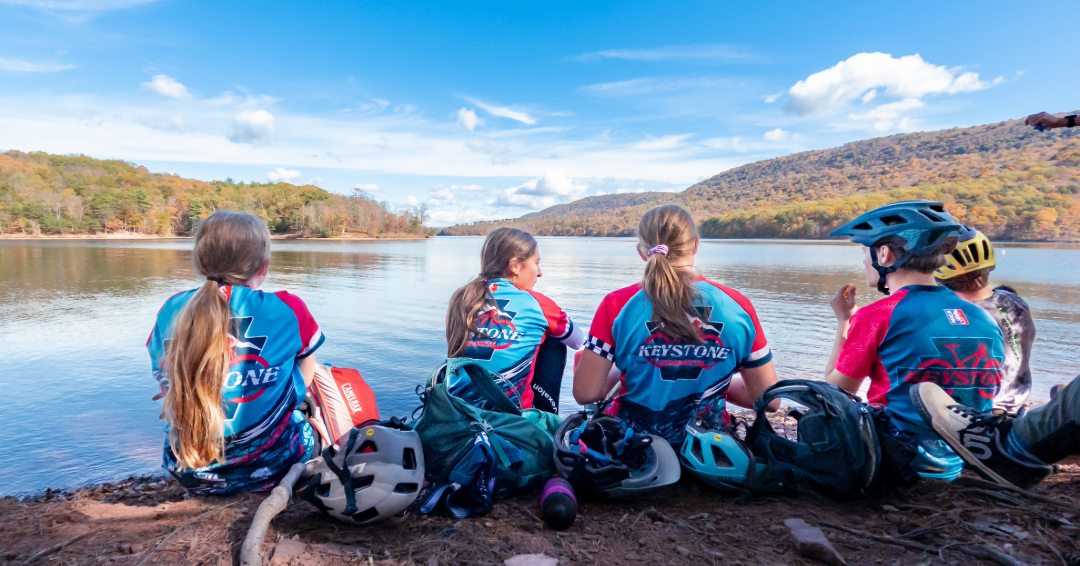
PICL riders enjoy the view at Raystown at the end of the 2025 season.